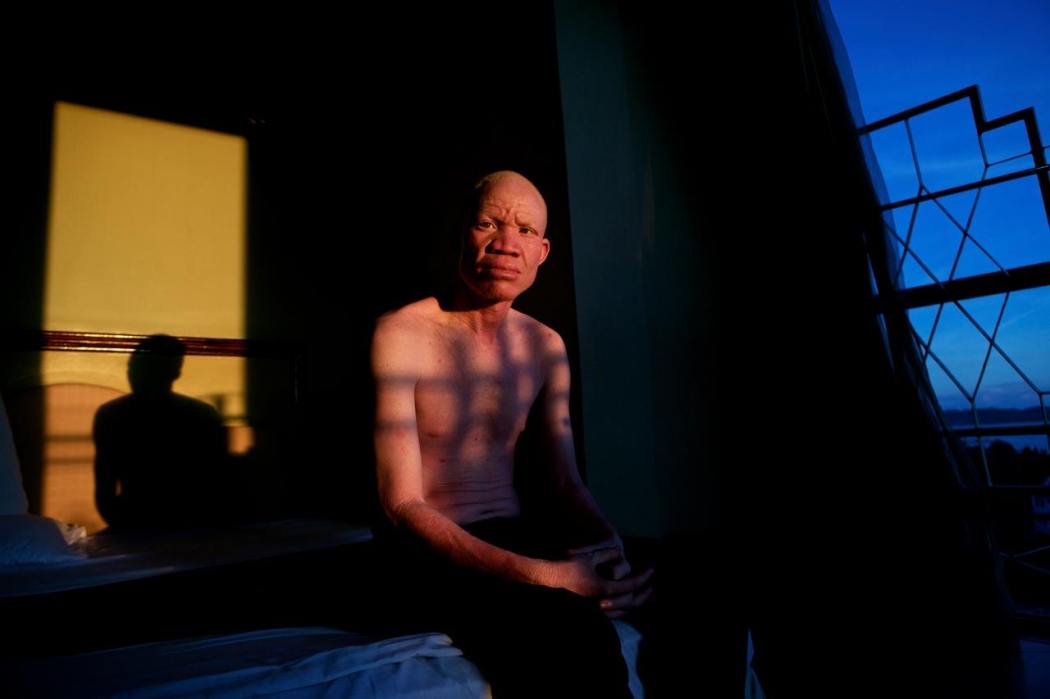
Director: Harry Freeland
Countries: Tanzania / UK
Year: 2013
Runtime: 88 min
A film does not have to be pleasant or enjoyable in order to have a major effect on the viewer. In his documentary In the Shadow of the Sun (2013), director Harry Freeland addresses the horrifying topic of the systematic abuse and murder of albino individuals in Tanzania. This topic is one of which many, myself included, were previously unaware, and the documentary is therefore an important educational piece of work. The images presented are disturbing, as is necessary to relate this brutal story, and the resulting film will leave a viewer unsettled long after the credits have rolled.
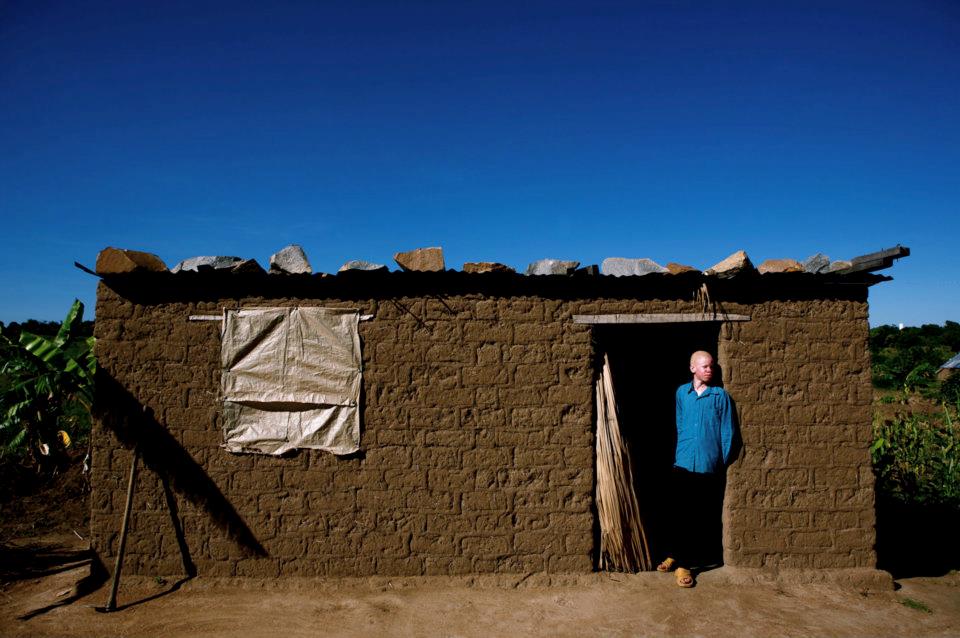
Harry Freeland devoted six years of his life to the creation of this work of film. Shot entirely in Tanzania, the director follows the lives of two men afflicted with the greatly feared and hated condition of albinism. Since there is no pigment in their skin, these individuals are left vulnerable to the sun, and at a much higher risk of skin cancer. It is not only disease that threatens their health, however. Many superstitious African communities systematically reject, persecute, or murder those with albinism, and their lives are constantly in danger from those amongst whom they live; it is estimated that over 170,000 albinos have been murdered due entirely to their appearance. Facing prejudice at every turn, the individuals at the center of these stories will surprise as well as inspire with their strength and willpower.
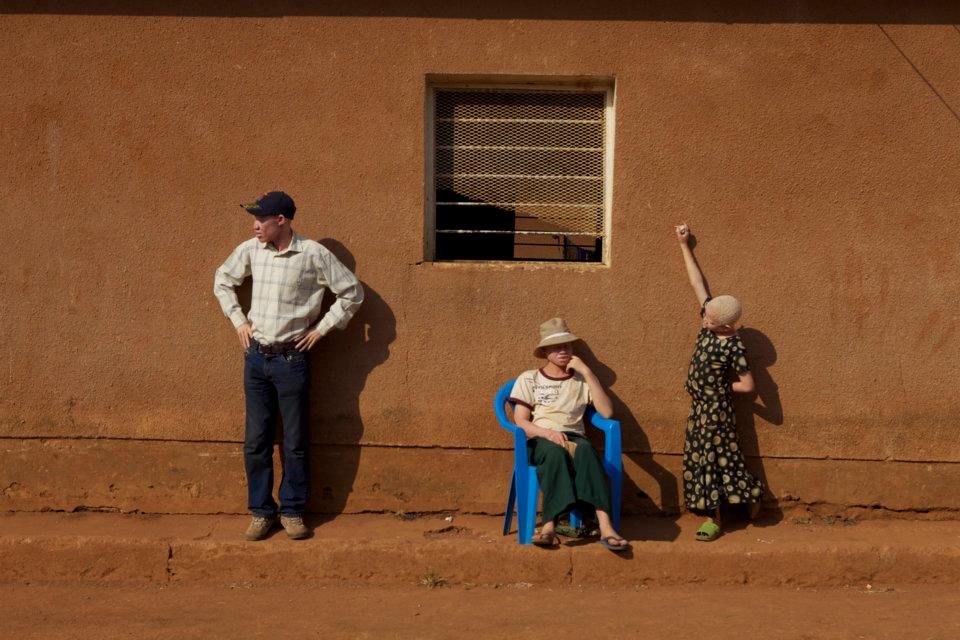
Josephat is a confident and well-spoken man who leaves his loving wife and children and travels throughout Tanzania confronting communities that have been involved in the persecution and murder of albinos. The journey is dangerous, yet Josephat addresses what he believes to be his duty with strength and grace. As he travels, he explains his condition to those who may be ignorant, providing them with understanding. He also reveals individual stories that he comes across and provides information and support to those that share his condition. Another individual who the film follows is Vedastus, a young man who was forced to leave his school due to his condition. After being bullied out of his own, this fourteen-year-old wants nothing more than to leave his village and attend a school especially for albinos that was created for their protection. Vedastus shows incredible resolve and maturity as he embarks on his quest for a new life, demonstrating the importance of education to those who have had it taken from them.
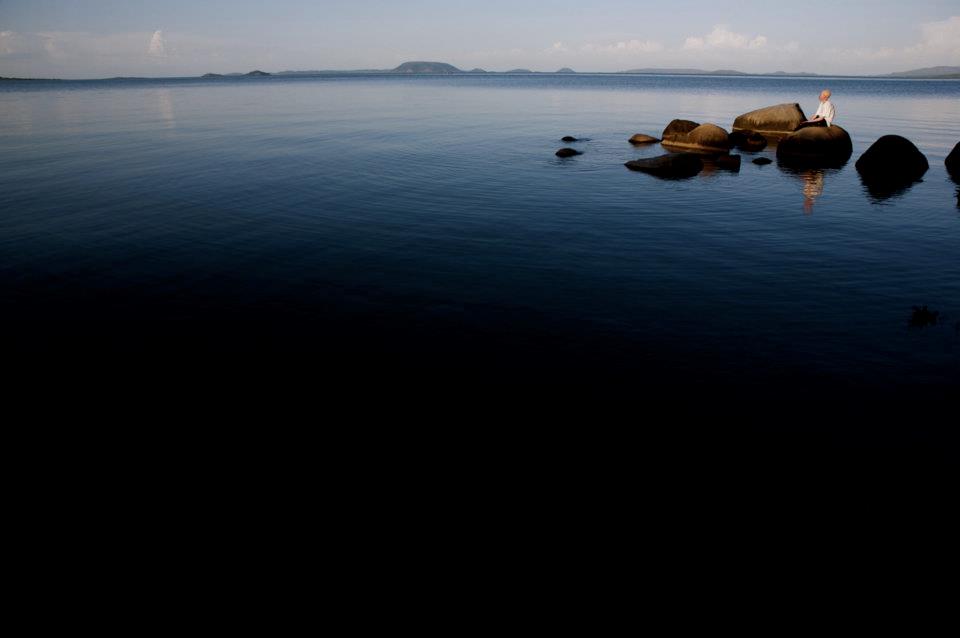
The film opens with a recorded telephone conversation played over a blank screen, as no images are necessary to accompany these haunting words. The stories presented in this film are horrifying, and, when they do appear, the images that are used to tell them are appropriately disturbing. Although corpses and mutilated, severed body parts are afforded screen time, the film also takes time to reveal moments of joy within the schools, beautiful scenery, and the strength of two incredible human spirits. The camera takes an intimate look at the lives of these two protagonists, interviewing them and their friends and families, as well as following them throughout their extraordinary everyday lives. Other stories, such as that of a young girl who was attacked in her village, losing an arm and being forced to flee for her life, widen the scope of the story. The score also compliments the film effectively, highlighting uplifting moments and lending the film a polished feel.
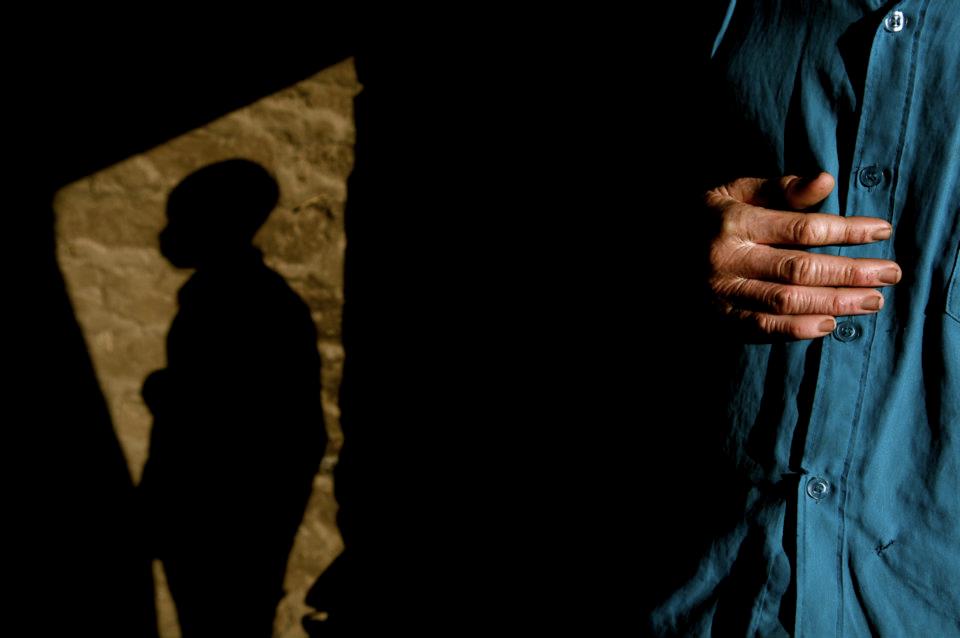
It is impossible to listen to Josephat speak and to watch Vedastus struggle for an education without feeling admiration and even inspiration. The story relayed in this documentary is little known yet highly important, and is one that must be told. Watching this documentary is not an enjoyable experience, yet providing one is not the purpose of every film. Rather, In the Shadow of the Sun leaves one appropriately disturbed and with an unsettled feeling that it may be difficult to shake, even as it concludes on a positive and uplifting note. After the film ends, it is up to an audience to decide what, if anything, they are going to do about these emotions.