Director: Jean-Luc Godard
Writer: Jean-Luc Godard
Actors: Anna Karina, Michel Subor, Henri-Jacques Huet
Rating: NR
Runtime: 88 min
Political content within film can be dangerous, to both the film itself and to the government that it challenges. None know this better than director Jean-Luc Godard, whose works during the French New Wave movement of the sixties often contained subversive political ideas. Although completed in 1960, his second feature film, Le Petit Soldat (The Little Soldier), was banned in France for three years until it was finally considered to be appropriate for viewing. This film may seem tame by today’s standards, but its creation was certainly a rebellious – indeed, almost anarchistic – move at the time.
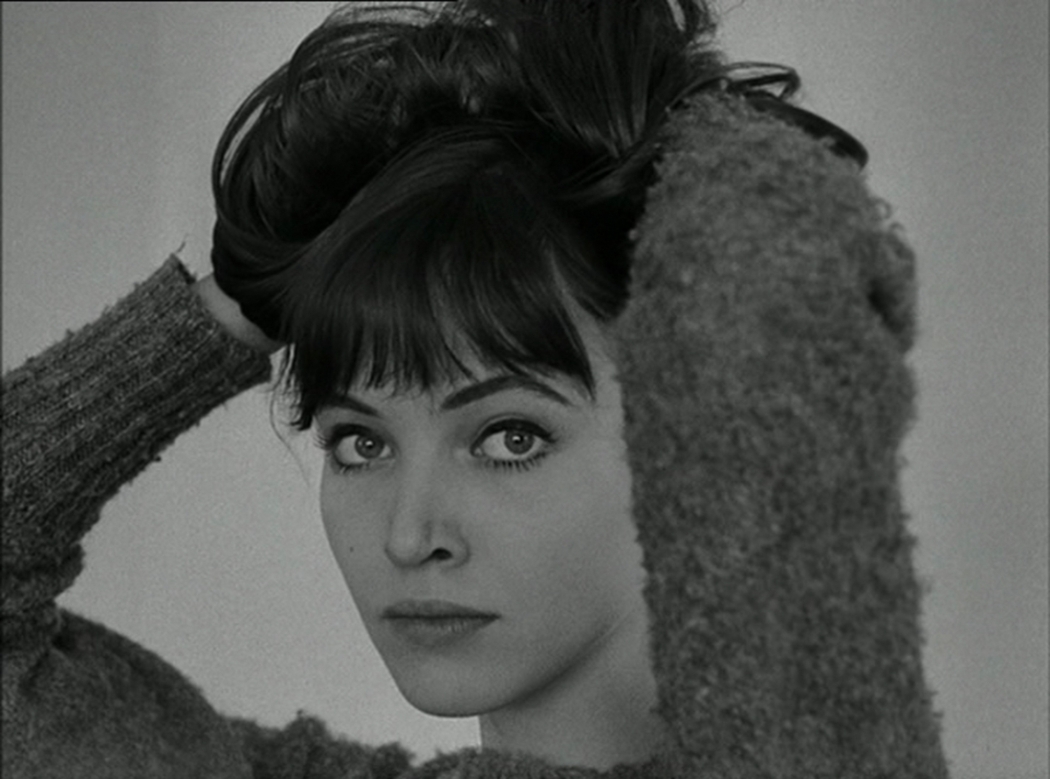
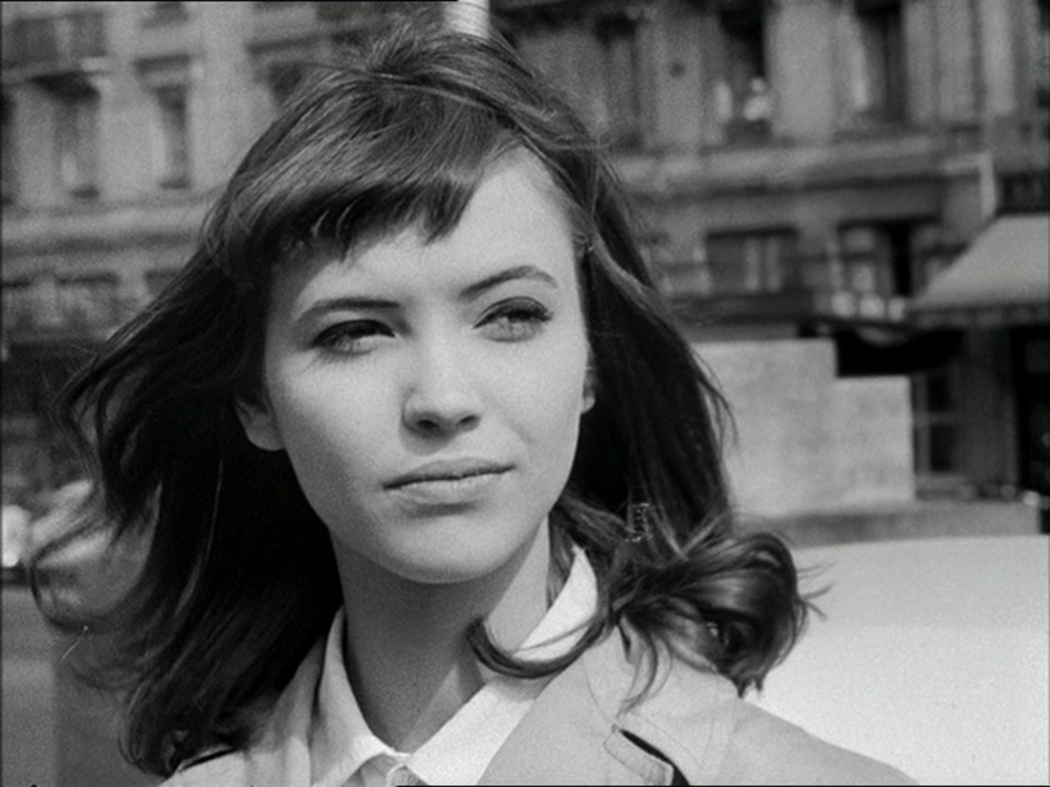
Le Petit Soldat marks the screen debut of Anna Karina, the woman who was soon to become Godard’s wife and favourite actress. Karina plays the enchanting Veronica, but the handsome young protagonist Bruno (Michel Subor) is the real star of this film. Bruno is an army deserter exiled in Switzerland and caught in a war between the French government and the Algerian Liberation Front. As actions become heated and tension builds, Bruno wants nothing more than to escape with Veronica, but soon discovers that this act is more difficult than originally anticipated. Willing to commit terrible actions and forced to endure appalling torture, Bruno is pushed further than he ever believed he would have to go.
Boasting such a dark plot, it may seem odd that this film could actually be funny. However, a self-conscious humour is present throughout, even if an audience finds themselves cringing as they laugh. Godard’s characteristically dry and sombre narrator vows to “tell the story as it is,” and the result is an unapologetic and often harsh approach with real, raw dialogue and imagery. Godard’s shaky camerawork captures Bruno’s actions and his points of view so that the audience feels as if they are right with him in each scene, building a connection with this character. Godard also uses sound to his advantage, as the background silence is punctuated with severe sounds and music that demands attention and highlights important narrative moments.

The main actors in Le Petit Soldat are as striking as they are talented. Godard often allows his camera to linger on their faces, as their emotions become apparent and their reactions register. Notable is a lengthy scene that uses a photo shoot plotline to highlight and frame Veronica in the same manner. Instead of simply presenting a voyeuristic view of this woman, however, Godard compliments the passage with intriguing dialogue. Both Karina and Subor are effective actors on their own, but their interactions together are mesmerizing. The two artists are able to play off of each other, and the dialogue that they exchange is both honest and sharp. It becomes easy to care about these people who simply present themselves as they are.
With Le Petit Soldat, Godard proved to the world that he was unwilling to follow any preconceived filmic conventions. Instead, he chose an individualistic approach that was as unique as it was controversial. The plot may offer a typical espionage storyline, yet the resulting piece is unlike any spy movie that came before or has come after. Films like this one are what make Godard such a relevant filmmaker today: with his art, he was addressing the issues of the day head-on and without fear. Censorship may have been the result, as was the case here, but the Le Petit Soldat has proven highly valuable in retrospect and sets an example of what political filmmaking has the potential to be.