When a director chooses to translate a written work into one of film, he or she is faced with several decisions. One of the most immediate choices made is whether to retain the spirit of the book on which they are basing their film, or to create a unique work with a completely different tone and feel. Directors are often criticized for straying from the path of a beloved novel, yet a film does not have to be a carbon copy of its source material in order to be effective. While some movies alter their plot, often removing or condensing scenes in the interest of time, others simply change their focus. A film that I believe to have perfectly captured the essence of the book it wished to portray in spite of some major changes it made is Baz Luhrmann’s The Great Gatsby (2013). This film was not particularly well received in critics’ circles; indeed, the well known Rotten Tomatoes website scored it at only forty-nine percent, and their synopsis states that the film “emphasizes visual splendour at the expense of its source material’s vibrant heart.” While the film certainly features dazzling and exaggerated visuals that may not initially appear to coincide with the novel, I do not believe that this focus is mutually exclusive with staying true to the essence of the source material. While most critics considered it to be over-the-top, I found Luhrmann’s interpretation to be exactly what was required to capture this iconic novel.
Written by F. Scott Fitzgerald in 1925, The Great Gatsby quickly became a modern classic. Both novel and film tell their tale through the eyes of Nick Carraway, a sweet yet naïve young man who relocates to New York from the Midwest during the heart of the roaring twenties. Nick quickly discovers that he has moved in next door to the famous Jay Gatsby, a man known far and wide for his opulent parties and mysterious character about which nobody seems to know anything about. As Nick and Gatsby get to know one another, it slowly becomes clear that the parties have a purpose and that Gatsby has a secret: he harbours an obsession for his mesmerizing lost love Daisy Buchanan, who is also Nick’s cousin, and of whom he has been unable to let go after over five years. Everything that Gatsby does, from his choice of house to his weekly parties, are done in an attempt to recapture Daisy’s attention and affection and to relive the past.
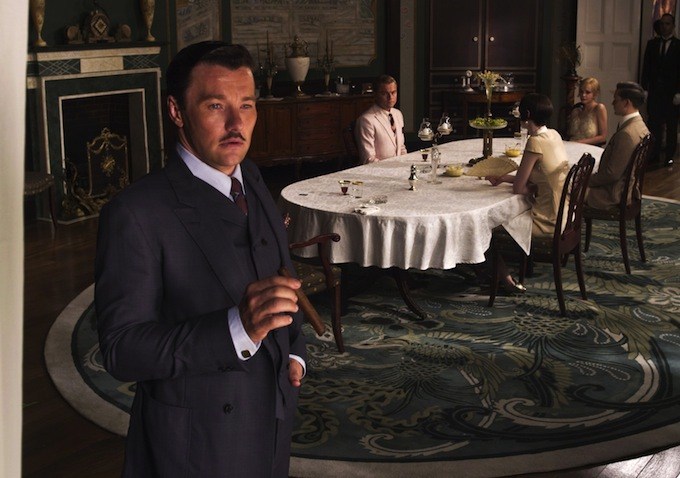
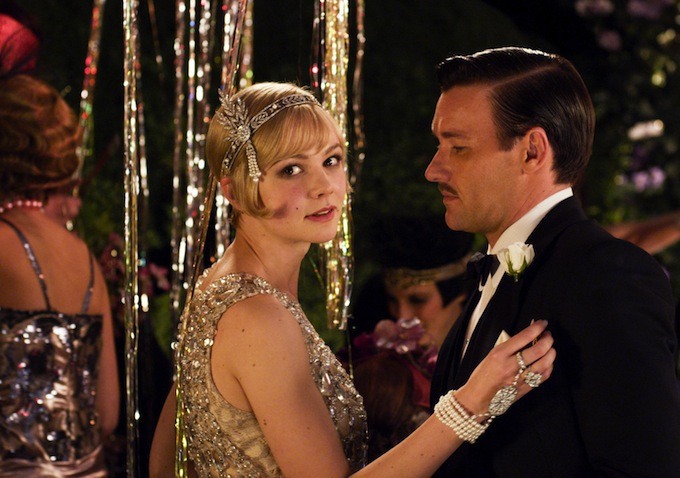
Although he never strays from the plot found in the novel, Luhrmann’s version of the story may initially appear to be very different from Fitzgerald’s original. Although the film is set in the nineteen twenties, it is very much a product of the twentieth century, featuring pounding hip-hop music, skimpy costumes, and over-the-top glitz and glamour that can only be achieved today. Luhrmann uses his characteristically breathless style in order to create a whirlwind depiction of opulence and excess, glorying in visual and auditory spectacle and rarely pausing for emotion. The sweeping camerawork captures the frenzy of the partygoers’ revelry, allowing an audience to become a part of the excitement. These techniques left many viewers wondering where a novel of the nineteen twenties fits into the mix, yet I believe this work is just the sort of film needed to represent Fitzgerald’s classic.
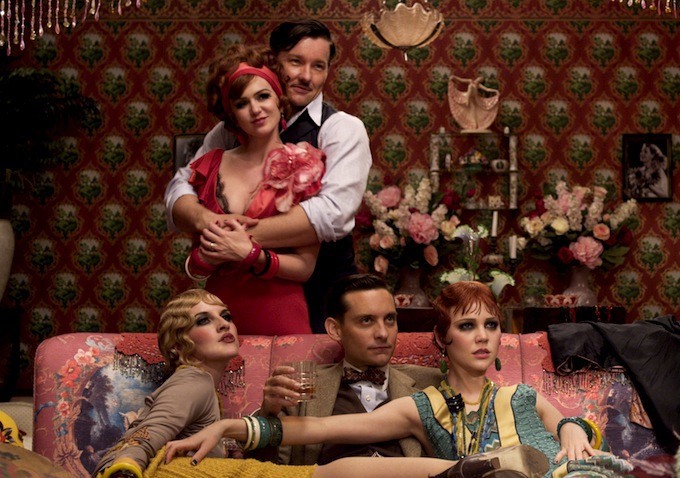
The film version of The Great Gatsby may lack sentimentality and certainly lacks subtlety, but crack open the novel and one will discover that these elements are not to be found in its pages, either. The music is edgy, modern, and loud, as it was in the novel, yet today’s definitions of these terms vary greatly from those used in the roaring twenties. Luhrmann has simply updated his material so that modern audiences are appropriately affected in a way that they probably wouldn’t be by that which was considered modern at the time, such as jazz tunes or flapper costumes. These elements are no longer considered edgy or opulent, so Luhrmann translated his source material into the language of today and chooses to push current boundaries as opposed to those of the past. Although Luhrmann may have updated the novel’s material in a visual and auditory sense, the plot, message, and overall tone have remained exactly the same.
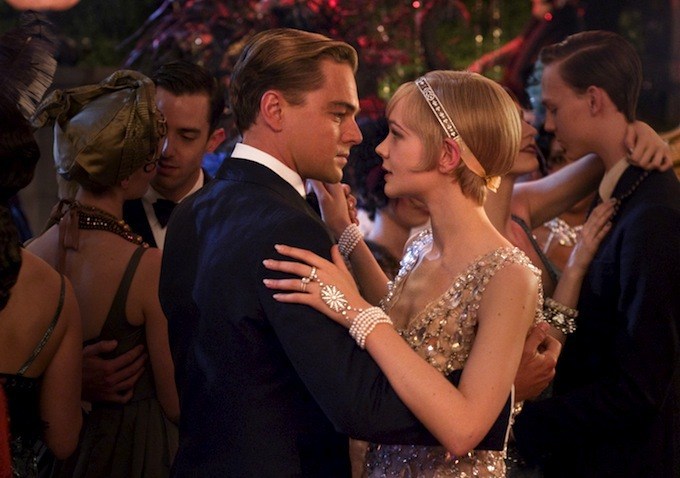
It is not only the tone that has remained constant through adaptation, but many other important aspects of the original have stayed the same as well. For example, the overall representation of characters has remained relatively unaltered. Nick’s love interest Jordan Baker may play a smaller role in the film, but audiences generally understand that elements and supporting characters must often be removed of given less focus in the interest of time. Leonardo Discaprio presents a Gatsby who is mesmerizing and mysterious, yet clearly tortured and deeply affected, exactly as he is written in the book. A man who is dashingly confident yet displays a tragic innocence, Gatsby is the center around which both film and novel revolve. Although Toby Maguire’s Nick is certainly more likeable and less cynical in the film version due mainly to the demeanor of said actor, this alteration works to build a stronger connection between the character and the movie audience, drawing us into the story in a manner few can achieve as effectively as Luhrmann. The screenplay also follows the novel closely, as many lines of narration and dialogue are lifted straight from the text, and those familiar with the original may find themselves reciting beloved lines along with the actors. Luhrmann does add a frame story that shows Nick actually writing the novel, but in a clever way so that it simultaneously explains the creation of the book itself while furthering the intrinsic connection between novel and film.
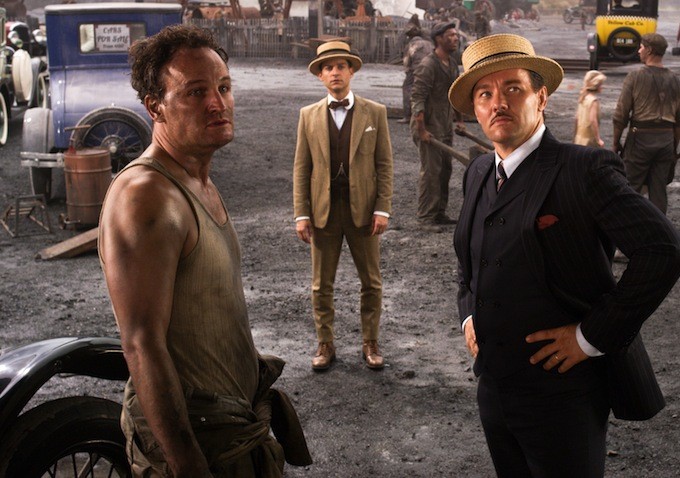
The Great Gatsby does not seek to convey a traditional love story in either of its forms. Rather, both versions present a pertinent warning in regards to the dangers of wealth and obsession, which was one of Fitzgerald’s main goals in the creation of his work. A very exercise in excess itself, Luhrmann’s film uses an over-the-top style to depict an over-the-top novel, and reflect its message, in a new and relevant manner. Twentieth century music and visuals may initially appear anachronistic when representing a novel set and written in the nineteen twenties, but upon closer inspection, one discovers that Luhrmann has simply updated the material as opposed to altering it. The Great Gatsby is an ideal example of a film adapted from a novel that made major stylistic changes to the original, yet captured its essence in a manner rarely seen on the screen.