
When the elderly Woody Grant (Bruce Dern) receives a notice in the mail informing him that he has won a million dollars, he takes it literally. Determined to claim his prize, the aging alcoholic sets out from Montana to Nebraska on foot, only to be stopped by his sons David (Will Forte) and Ross (Bob Odenkirk), and his wife Kate (June Squibb). In an effort to spend more time with his father, kind-hearted David agrees to drive Woody to Nebraska, knowing full well that the prize is a hoax. The road trip soon becomes a family adventure, and along the way they meet up with scheming relatives and old friends. David constantly attempts to become closer to his father and brother, and this doomed trip may be just what he needs as he learns about Woody’s turbulent past and works with Ross to achieve their goals.
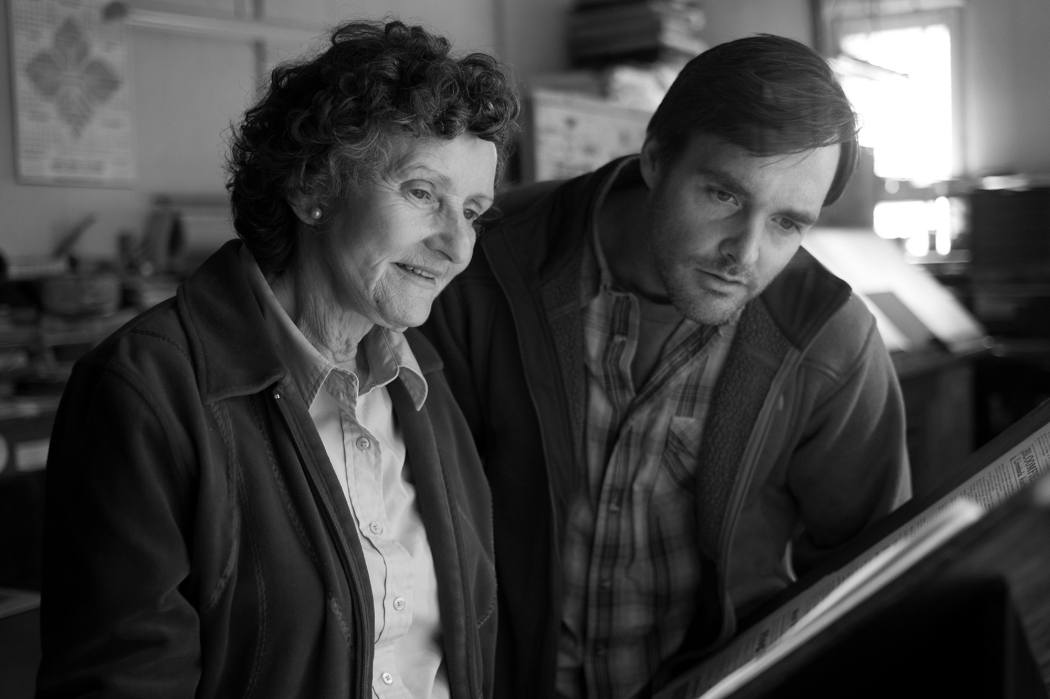
It is always exciting to see smaller films such as Nebraska, as well as fellow-nominee Philomena, receiving Best Picture nominations at the Academy Awards. Neither of these films will win in this category, but the nomination alone is enough to attract the mainstream attention that they would definitely not have received otherwise. Alexander Payne even received recognition for Direction, placing this film in the hypothetical top five for Best Picture, since a Direction nomination is often considered to be essential to secure a Best Picture win. Bruce Dern and June Squibb received Actor in a Leading Role and Actress in a Supporting Role nominations, respectively, and although neither are front runners, both acted brilliantly and are certainly well deserving of these recognitions. These characters are so authentic that an audience may feel as if they know them in real life, and both exhibit the dry and witty comedic timing essential in making this film as humourous as it is. The boldly black and white film also received a Cinematography nomination, recognizing Payne’s interesting choice, as well as Original Screenplay recognition. All in all, six nominations for this little movie is a pretty impressive feat.

Simple and straightforward, Nebraska reveals the humour in the bittersweet realities of the everyday. The actors appear to represent real and relatable people, and one can easily recognize themselves in the world that Payne has created. Here is a film that is timeless in its story, its characters, and its emotions. It is fortunate that the Academy attention has shone a spotlight on a film that many would otherwise not receive the opportunity to enjoy.